


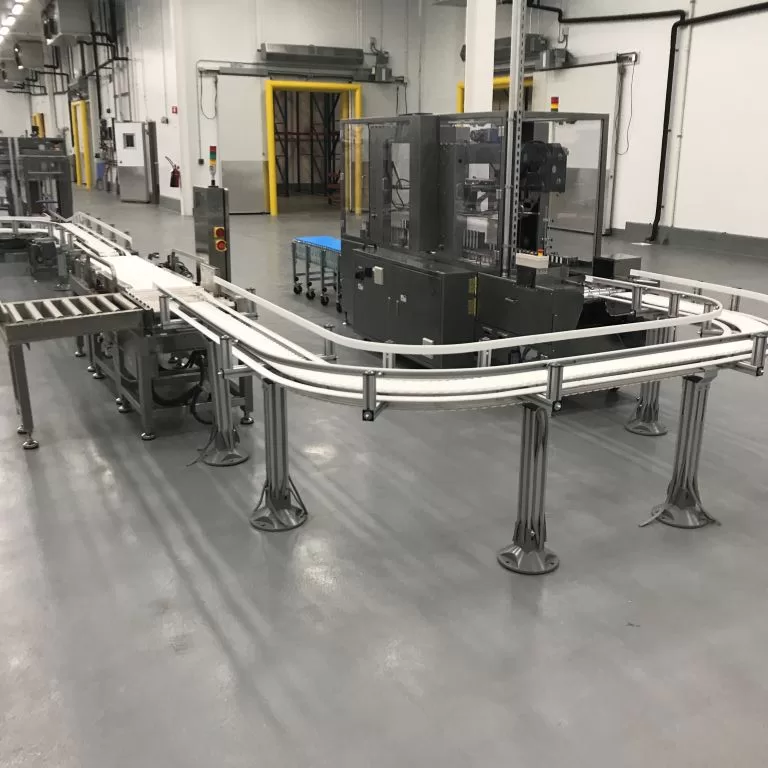
Food preparation facilities require flooring systems that can handle constant activity while maintaining strict sanitation standards. Commercial kitchen flooring NJ businesses install must perform reliably in environments exposed to grease, moisture, heavy equipment, and frequent cleaning. Choosing the right flooring system is an important investment for maintaining safety, cleanliness, and long-term operational efficiency.
Commercial kitchen flooring is specifically engineered for demanding food service settings. Unlike standard flooring materials, these systems are built to resist damage caused by water, chemicals, and heavy traffic. A high-quality flooring solution helps kitchens operate smoothly while supporting compliance with health regulations.
Commercial Kitchen Flooring NJ Facilities Depend on for Daily Operations
Kitchen floors experience intense pressure every day. Staff move quickly through food preparation areas, equipment is rolled across surfaces, and spills happen constantly. Flooring must remain durable while providing a clean and safe environment.
commercial kitchen flooring NJ facilities rely on is designed to support these conditions without cracking, absorbing moisture, or becoming difficult to clean. Seamless flooring systems help reduce contamination risks and simplify sanitation procedures.
Durable flooring also protects the structure beneath the surface. Water damage and bacterial buildup can become serious issues when flooring materials fail. Professional kitchen flooring systems help prevent these problems through strong, moisture-resistant construction.
Why Hygiene Is Essential in Commercial Kitchens
Maintaining a sanitary environment is one of the most important responsibilities in any food service facility. Flooring surfaces directly impact cleanliness because they are exposed to food particles, grease, water, and cleaning chemicals every day.
Commercial kitchen flooring should be smooth, sealed, and non-porous to prevent contamination. Surfaces that absorb moisture or develop cracks can create hidden areas where bacteria grow.
Seamless flooring systems support effective cleaning by eliminating joints and gaps that trap debris. This allows kitchen staff to sanitize floors more thoroughly and maintain better overall hygiene.
Flooring Systems Designed for Moisture Resistance
Commercial kitchens operate in wet conditions for much of the day. Water exposure from cleaning, cooking, and spills can quickly damage standard flooring materials.
Professional commercial kitchen flooring systems resist moisture penetration and maintain their structural integrity under constant exposure. These systems also reduce the risk of mold growth and unpleasant odors.
Preventing Surface Damage
Moisture-resistant flooring helps prevent peeling, cracking, and surface deterioration. This improves the appearance and performance of the kitchen floor over time.
Supporting Food Safety Standards
Dry, sealed flooring surfaces contribute to safer food preparation conditions by reducing bacterial growth and contamination risks.
The Role of Slip Resistance in Commercial Kitchen Flooring
Safety is a major concern in commercial kitchens because employees often work quickly in slippery conditions. Grease, water, and food spills increase the risk of slips and falls throughout the day.
Commercial kitchen flooring includes textured surfaces that improve traction while remaining easy to clean. Slip-resistant systems help create a safer workplace without compromising sanitation standards.
A safer kitchen environment supports smoother operations and reduces workplace accidents that can interrupt productivity.
Heavy-Duty Performance for Busy Kitchens
Commercial kitchens require flooring capable of handling heavy equipment, rolling carts, dropped utensils, and nonstop foot traffic. Weak flooring materials can crack or wear down quickly under these conditions.
Commercial kitchen flooring NJ facility managers choose is designed for strength and long-term durability. High-performance systems withstand daily abuse while maintaining a professional appearance.
These flooring systems also resist chemicals commonly used during sanitation procedures. This protects the floor from staining, weakening, and premature failure.
Resistance to Thermal Shock
Kitchen floors are exposed to rapid temperature changes from hot liquids, steam, and cleaning processes. Durable flooring systems resist expansion and cracking caused by thermal shock.
Reduced Downtime for Repairs
Strong flooring systems minimize repair needs, helping kitchens avoid disruptions that affect operations and sanitation schedules.
Why Professional Installation Is Important
Even high-quality flooring materials can fail if they are installed incorrectly. Surface preparation, sealing, and proper application techniques all affect long-term performance.
Professional installation creates a seamless flooring system that resists moisture penetration and maintains structural strength. Experienced installers understand how to meet the specific demands of commercial kitchen environments.
Proper installation also improves the appearance of the floor and ensures consistent performance throughout the facility.
Long-Term Value of Quality Commercial Kitchen Flooring
Investing in durable flooring provides long-term financial benefits for commercial kitchens. Strong flooring systems require less maintenance, fewer repairs, and longer replacement cycles.
Commercial kitchen flooring supports efficient operations by creating a reliable work environment that remains sanitary and safe over time. Businesses can focus on daily operations instead of dealing with frequent flooring problems.
Conclusion
Commercial kitchen flooring NJ businesses rely on must provide exceptional durability, hygiene, and workplace safety. Food preparation areas require flooring systems that resist moisture, chemicals, heavy traffic, and constant cleaning while supporting sanitation standards.
Commercial kitchen flooring plays a critical role in maintaining operational efficiency and creating a safer environment for employees and customers. Professionally installed, seamless flooring systems deliver reliable performance and long-term value for demanding commercial kitchen environments.


