



Commercial construction projects rarely succeed on the strength of a single scope working in isolation. Drilling and structural work, in particular, depend heavily on each other, and how well they’re coordinated often determines whether a project stays on schedule or runs into costly delays. When these two phases are handled by the same team, that coordination becomes far more straightforward.
Seiscore is a specialty shoring and structural contractor that self performs drilling, shoring, structural, and concrete work for commercial general contractors. This kind of integrated approach means the crew drilling the initial shafts is the same team responsible for the structural systems that follow, which removes a layer of communication that often slows projects down.
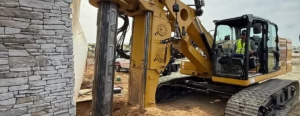
Why Sequencing Matters Between Drilling and Structural Phases
Drilling typically comes first, establishing the shafts, anchor points, or pile locations that structural work will later depend on. If drilling isn’t precise, or if conditions encountered underground differ from what engineers anticipated, structural plans may need to be adjusted quickly.
- Depth and spacing accuracy during drilling affects pile performance
- Unexpected soil conditions may require structural design changes
- Anchor placement needs to align precisely with retaining wall plans
- Timing between drilling completion and structural installation affects overall schedule
When one contractor manages both phases, these adjustments happen in real time rather than through a lengthy back and forth between separate companies.
Real World Site Conditions Rarely Match Plans Exactly
Even with thorough engineering and site assessments beforehand, actual ground conditions often present surprises once drilling begins. Soil composition can vary significantly across a single site, and what looks straightforward on paper doesn’t always match what crews encounter in the field.
This is where experience becomes genuinely valuable. A team that has drilled through similar soil conditions before can recognize issues early and adjust their approach without needing to pause the entire project while a separate structural engineer reevaluates the plan from scratch.
Structural Systems That Depend on Precise Drilling
Several common structural systems on commercial sites rely directly on accurate drilling work to function properly.
- Soldier pile walls require precisely spaced vertical shafts
- Retaining wall anchor systems need accurately placed anchor points
- Foundation support elements depend on correct depth and positioning
- Seismic retrofit connections often require drilling into existing structural elements
Each of these systems only performs as well as the drilling work that made them possible, which is exactly why this early phase deserves as much attention as the more visible structural work that follows.
Coordinating Concrete Work Within the Same Scope
Beyond drilling and structural work, concrete placement, including shotcrete, often needs to happen in close coordination with both. For soldier pile wall systems, for example, shotcrete is frequently used to fill the voids between piles once they’re in place, providing lateral support and helping retain surrounding soil.
Having a single contractor self perform drilling, structural, and concrete work together means these transitions happen smoothly, without the scheduling gaps that can occur when different specialists are responsible for each individual piece.
Managing Retaining Wall Projects From Start to Finish
Retaining wall construction is a good example of how drilling and structural work intersect throughout an entire project. The process typically starts with drilling for piles or anchors, moves into structural placement of piles or beams, and finishes with concrete or lagging material filling the remaining voids.
Retaining walls help protect properties from earth movement and hillside pressure, and their long term effectiveness depends on every phase of construction being executed correctly and in the right sequence.
Why Commercial GCs Benefit From This Coordination
For commercial general contractors managing multiple trades across a busy job site, reducing the number of separate contractors involved in interconnected scopes like drilling and structural work genuinely simplifies project management. Fewer handoffs typically mean fewer opportunities for miscommunication, scheduling conflicts, or quality control issues.
This is particularly valuable during the early phases of a project, when shoring and structural work often determines the pace at which everything else can proceed.
Verifying Contractor Qualifications for Combined Scopes
Given the technical complexity of coordinating drilling and structural work, verifying a contractor’s credentials remains an important step. Seiscore holds California Contractor License 1126002, along with insurance coverage suited for commercial GC contracts, offering project teams confidence in both compliance and accountability across these combined scopes.
Final Thoughts
Drilling and structural work are deeply interconnected on commercial construction projects, and how well they’re coordinated has a direct impact on both safety and schedule. Working with a specialty contractor that self performs both scopes together provides the continuity needed to adapt quickly to real world site conditions, keeping complex projects moving efficiently from the ground up.
FAQ
Why does drilling need to happen before structural work begins?
Drilling establishes the shafts and anchor points that structural elements like piles and retaining wall anchors depend on for proper placement and performance.
What happens when drilling reveals unexpected soil conditions?
Structural plans may need quick adjustments, and having the same contractor handle both drilling and structural work allows for faster, more coordinated responses.
How does concrete work fit into the drilling and structural process?
Concrete, including shotcrete, often fills the voids created during drilling and structural installation, providing the final layer of support for systems like soldier pile walls.


