


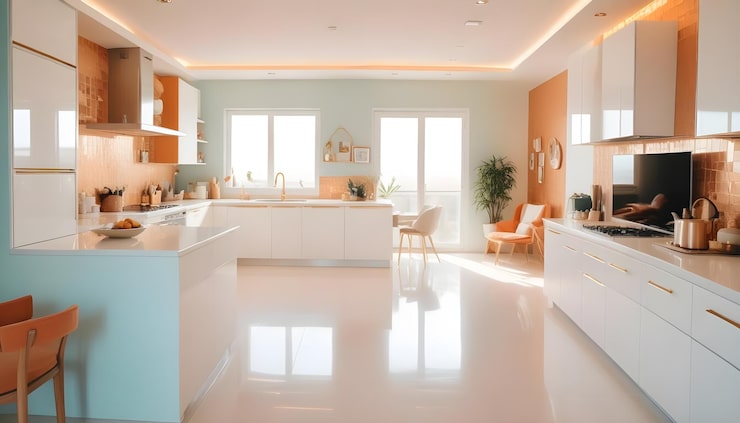
Renovating a kitchen involves countless decisions, but flooring often determines how the entire space feels and functions. Kitchen epoxy flooring has emerged as a favorite among homeowners who want durability without sacrificing style. This surface resists everyday wear while offering a polished, modern appearance that suits nearly any kitchen theme.
Because kitchens experience heavy use every single day, the flooring beneath your feet needs to withstand spills, heat, dropped items, and constant foot traffic. Epoxy coatings excel here, forming a hard protective layer bonded directly to the subfloor. This creates a surface that holds up remarkably well compared to traditional materials like tile or vinyl.
Understanding The Core Benefits
Homeowners often ask what sets epoxy apart from other flooring choices, and the answer lies in its composition. Once cured, epoxy forms a rigid, glossy surface that resists scratches, stains, and moisture penetration. Unlike grouted tile, there are no seams for dirt or bacteria to accumulate, which simplifies cleaning considerably.
Several practical advantages make this material especially appealing:
- Exceptional resistance to grease and food stains
- Smooth surface that supports easy mopping
- Durable finish that withstands heavy appliances
- Available in numerous colors and textures
- Naturally water resistant for spill prone areas
Design Flexibility You May Not Expect
Many people assume epoxy flooring looks industrial or plain, but that perception is outdated. Today, installers offer metallic finishes, marbled effects, and decorative flake blends that mimic natural stone. This versatility allows homeowners to achieve a custom look tailored specifically to their kitchen’s overall design theme.
Some popular style directions include:
- Solid color finishes for a clean, minimalist look
- Metallic swirls for a dramatic, artistic effect
- Flake systems that add texture and depth
- Matte finishes for a subtle, understated appearance
- High gloss coatings that reflect light beautifully
Preparing Your Kitchen For Installation
Before installation begins, proper surface preparation is essential for long term success. Installers typically grind the existing concrete to remove old coatings and create a profile that helps epoxy adhere properly. Cracks and imperfections are repaired at this stage, ensuring a smooth, even base for subsequent layers.
Skipping or rushing preparation often leads to poor adhesion, bubbling, or premature peeling down the road. Because this step is so critical, working with experienced professionals who prioritize thorough prep work makes a meaningful difference in how long your finished floor ultimately lasts.
How Epoxy Compares To Other Flooring Materials
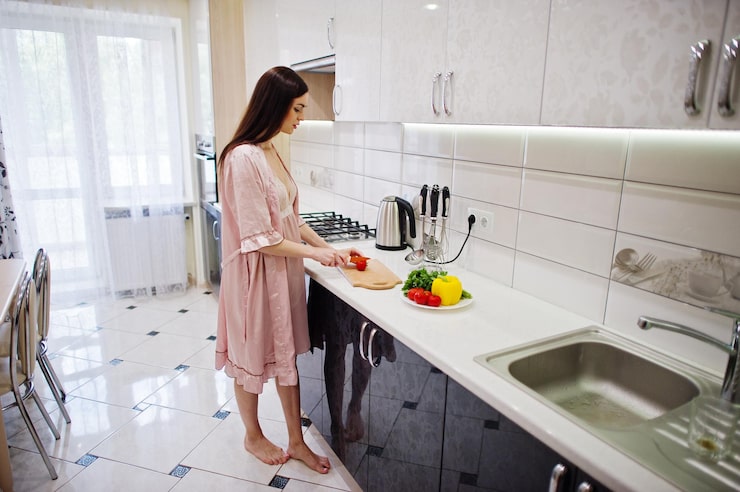
When comparing epoxy against tile, laminate, or hardwood, several factors consistently favor the epoxy option for kitchen environments specifically. Tile can crack under heavy impact, laminate swells when exposed to moisture, and hardwood requires frequent refinishing to maintain its appearance over time.
Epoxy, meanwhile, offers a seamless, moisture resistant surface that holds up under constant use without these recurring maintenance concerns. Additionally, the installation process is generally faster than laying individual tiles, meaning less disruption to your daily routine during the renovation period.
Homeowners exploring options for their next renovation frequently discover that opting for kitchen epoxy flooring nj installation provides both immediate visual impact and long term practicality that few alternatives can match so effectively.
Maintaining Your Floor For Years Of Use
Once your new floor is installed, upkeep remains refreshingly straightforward. Daily sweeping removes loose debris, while occasional damp mopping keeps the surface looking fresh. Because there are no grout lines or seams, cleaning takes significantly less time compared to traditional tiled kitchens.
To preserve the finish, avoid dragging heavy furniture directly across the surface without protective padding underneath. Placing mats near high spill areas, such as sinks and stovetops, also helps reduce prolonged exposure to standing liquids that could otherwise affect the coating over extended periods.
Final Considerations Before You Begin
Choosing the right flooring for your kitchen renovation involves balancing durability, style, and long term value. Epoxy consistently checks each of these boxes, making it a sensible choice for homeowners who want a floor that performs well without demanding constant attention or costly repairs.
Before committing, take time to research qualified installers and review examples of their previous work. A well executed installation transforms not just the floor itself, but the overall feel of your kitchen for many years to come.


