


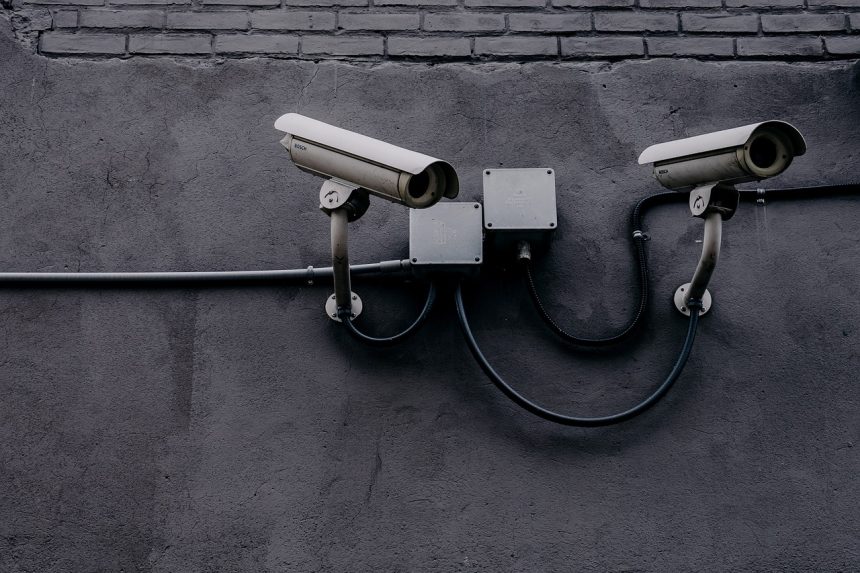
As technology evolves and threats become more sophisticated, keeping your home secure in 2025 requires a proactive approach. By combining modern tools with time-tested strategies, you can create a comprehensive security plan that protects your family and property. Here are the best home security practices to adopt this year.
Prioritize Smart Technology Integration
Smart home security devices are becoming more accessible and effective. Invest in smart locks, video doorbells, and wireless cameras to monitor and control your home remotely. Smart sensors for doors and windows can alert you to unauthorized access, while motion-activated lights deter potential intruders.
Ensure all smart devices are connected to a secure Wi-Fi network and use strong passwords to protect against cyberattacks.
Reinforce Physical Security
While smart technology is essential, physical barriers remain a cornerstone of home security. Strengthen your home’s entry points by installing solid-core doors, deadbolt locks, and reinforced strike plates. Use security bars on sliding doors and upgrade to shatter-resistant windows or apply security film to existing glass.
Keep shrubs and trees near windows trimmed to eliminate hiding spots and enhance visibility around your property.
Adopt a Layered Security Approach
Layered security combines multiple measures to create a comprehensive defense. For example, use a combination of surveillance cameras, alarms, and physical locks to protect your home. If one measure fails, others provide backup. Layering also makes your home less appealing to intruders, who are likely to target less secure properties.
Stay Vigilant with Routine Maintenance
Regular maintenance ensures your security measures remain effective. Test your alarm systems and cameras periodically, replace batteries in smart devices, and inspect locks and sensors for wear and tear. Keeping your system in top condition minimizes vulnerabilities.
Secure Your Digital Space
Cybersecurity is an integral part of home security in 2024. Protect your smart devices by using strong, unique passwords and enabling multi-factor authentication. Regularly update your devices’ firmware to address potential vulnerabilities. Additionally, secure your home network with a strong password and consider using a VPN for added protection.
Engage with Your Community
Strong community connections can significantly enhance home security. Join or start a neighborhood watch program to stay informed about local threats and share resources. Alert neighbors to suspicious activity and offer to watch their homes while they’re away—and encourage them to do the same for you.
Plan for Emergencies
Even the best security systems can’t prevent every scenario. Develop a family emergency plan that includes steps to take during a break-in, fire, or natural disaster. Teach family members how to use security systems, locate safe exits, and contact emergency services. Practice your plan regularly to ensure everyone knows what to do.
Utilize Lighting Strategically
Proper lighting reduces dark areas around your home that could appeal to intruders. Install outdoor lights around entry points, pathways, and driveways. Motion-activated lights are especially effective, as they surprise and deter potential threats. For energy efficiency, opt for solar-powered or LED lighting.
Monitor and Adjust as Needed
Home security isn’t a one-time setup—it’s an ongoing process. Stay informed about new technologies and emerging threats, and adjust your security measures accordingly. For example, if your neighborhood experiences a rise in package thefts, consider adding a smart delivery box or installing a front-door camera.


