


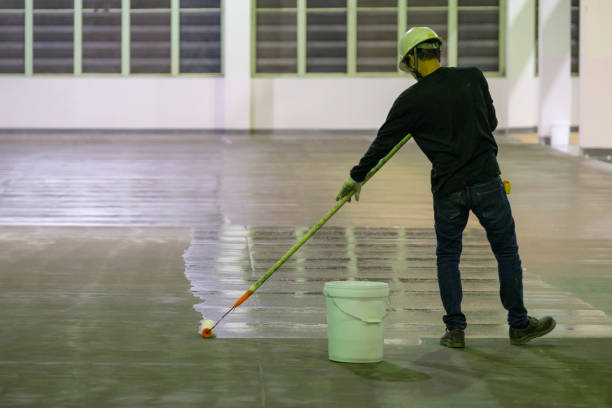
Warehouse floors carry more than just weight. They support productivity, safety, and long-term durability. Choosing the right epoxy is not simply about appearance. It is about performance under pressure, resistance to wear, and ease of maintenance. With multiple epoxy types available, selecting the best one can feel overwhelming. This guide simplifies the decision and helps you understand what truly works in demanding warehouse environments.
Understanding What Type Of Epoxy Is Best For Warehouse Epoxy Flooring
Not all epoxy coatings are created equal. Warehouses require flooring that can withstand forklifts, chemical spills, and constant traffic. The best epoxy system depends on usage, environment, and budget.
Common Types Of Epoxy Used In Warehouses
Here are the most reliable options used in industrial settings:
- 100% Solid Epoxy: This is the most durable and long-lasting option. It contains no solvents, making it thick and highly resistant to abrasion.
- Water-Based Epoxy: Easier to apply and more affordable, but less durable compared to solid epoxy.
- Solvent-Based Epoxy: Offers strong adhesion and durability, but releases fumes during installation.
- Self-Leveling Epoxy: Ideal for smooth, seamless surfaces and repairing uneven floors.
- Epoxy Mortar Flooring: The toughest option, designed for heavy-duty environments with extreme loads.
Among these, 100% solid epoxy and epoxy mortar systems are typically the top choices for warehouses due to their strength and longevity.
How To Choose What Type Of Epoxy Is Best For Warehouse Epoxy Flooring
Choosing the right epoxy is not just about picking the strongest one. You need to consider how your warehouse operates.
Key Factors To Consider
- Load Capacity: Heavy machinery requires high compressive strength
- Chemical Exposure: Warehouses handling chemicals need resistant coatings
- Traffic Volume: High traffic areas demand thicker coatings
- Surface Condition: Uneven floors benefit from self-leveling epoxy
Example Scenario
A logistics warehouse with constant forklift movement will benefit from epoxy mortar flooring. On the other hand, a storage warehouse with moderate traffic might perform well with 100% solid epoxy.
Benefits Of Using The Right Epoxy Flooring
When you choose the correct epoxy system, the advantages are significant.
Durability And Strength
Epoxy flooring can handle extreme weight and resist cracking. This ensures long-term performance without frequent repairs.
Easy Maintenance
Dust, debris, and spills are easier to clean on epoxy-coated surfaces. This improves hygiene and efficiency.
Safety Enhancement
Epoxy coatings can include anti-slip additives, reducing workplace accidents.
Visual Improvement
A polished epoxy floor enhances lighting and creates a professional look, which can improve employee morale and client impressions.
Pro Tip For Long Lasting Warehouse Epoxy Floors
Always invest in proper surface preparation before applying epoxy. Even the best epoxy will fail if the concrete base is not cleaned, repaired, and primed correctly. Grinding and moisture testing are essential steps that should never be skipped.
Practical Example Of Epoxy Selection
Imagine a food storage warehouse. Hygiene and chemical resistance are critical here. A self-leveling epoxy with antimicrobial properties would be ideal.
Now consider a manufacturing warehouse with heavy machinery. Epoxy mortar flooring would be the best choice due to its unmatched strength and impact resistance.
Conclusion
Choosing what type of epoxy is best for warehouse epoxy flooring requires a clear understanding of your operational needs. While 100% solid epoxy offers excellent durability, epoxy mortar systems stand out for heavy-duty environments. The right choice ensures safety, reduces maintenance costs, and extends the life of your warehouse floor. Investing wisely today prevents costly repairs tomorrow and keeps your operations running smoothly.


