


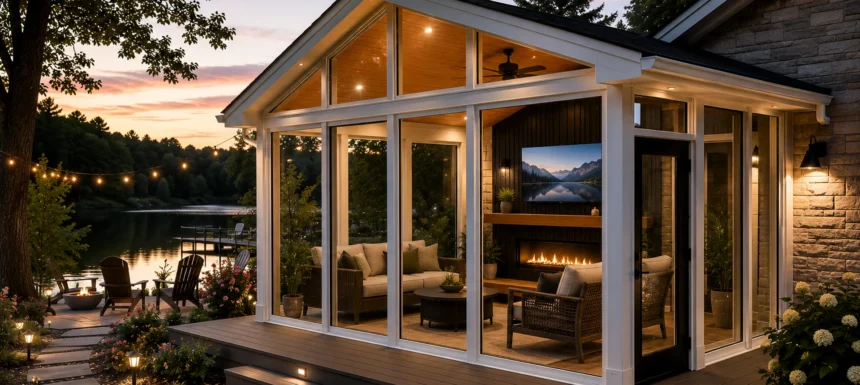
My neighbor and I built our decks the same summer, back to back weekends actually, same crew doing both jobs one right after the other. He went pressure-treated pine because it was cheaper upfront and he wasn’t worried about maintenance at the time. I went composite because my wife hates yard work and wasn’t about to spend every spring sanding and staining a deck for the next twenty years of our lives.
Four years later his deck needs restaining again, third time already, and a couple boards are starting to cup near the grill where grease drips down constantly onto the wood. Mine looks basically the same as the day it went in, honestly. Neither choice was wrong exactly, we just wanted different things out of the same backyard project going in.
What Actually Separates These Two Materials
Pressure-treated wood costs less to buy, sometimes half the price of composite depending on the grade and brand you’re comparing. But that lower number doesn’t include what you’ll spend keeping it looking decent over the years it’s sitting outside.
Rough breakdown of what each option actually asks of you:
- Wood needs restaining every two to three years, more in humid or sunny climates
- Composite costs more upfront but skips staining almost entirely for decades
- Wood can splinter over time, something composite generally doesn’t do
- Composite holds heat more than wood, matters if you’re barefoot in July
- Wood is easier and cheaper to repair if a single board gets damaged
That heat thing surprises people who haven’t dealt with it firsthand. Dark composite decking in direct summer sun can get genuinely too hot for bare feet by early afternoon, which matters a lot more if you’ve got kids running around out there.
How a Licensed Porch Builder Handles This Part
A legitimate porch builder pulls permits as standard practice, not an optional add-on you have to specifically request or negotiate for separately. They know the local building department’s requirements, submit the right paperwork, and schedule inspections at the correct stages of construction without you having to manage any of it yourself.
This matters more with deck construction than people initially assume, since decks attach directly to a home’s structure and improper connections can genuinely affect the house itself over time, not just the deck sitting out back.
My cousin actually asked her builder about this directly before signing anything, mostly out of curiosity after hearing my gym story. He walked her through the entire permit timeline unprompted, including which inspections happen at which specific stages of the build. That kind of transparency told her plenty about how the rest of the project would probably go too.
The Maintenance Math Nobody Really Talks About
People compare sticker prices and stop there, which misses most of the actual story unfolding over the years that follow. Wood needs cleaning, sanding, and restaining on a repeating cycle, and skip a cycle or two and you’re looking at cupping, splintering, or outright rot depending on your local weather and how consistent you are about upkeep.
Add up labor and material costs across fifteen years and pressure-treated wood sometimes costs about the same as composite would’ve, just spread out differently over time instead of paid upfront in one lump sum at the start of the project.
Where a Porch Builder’s Advice Actually Matters
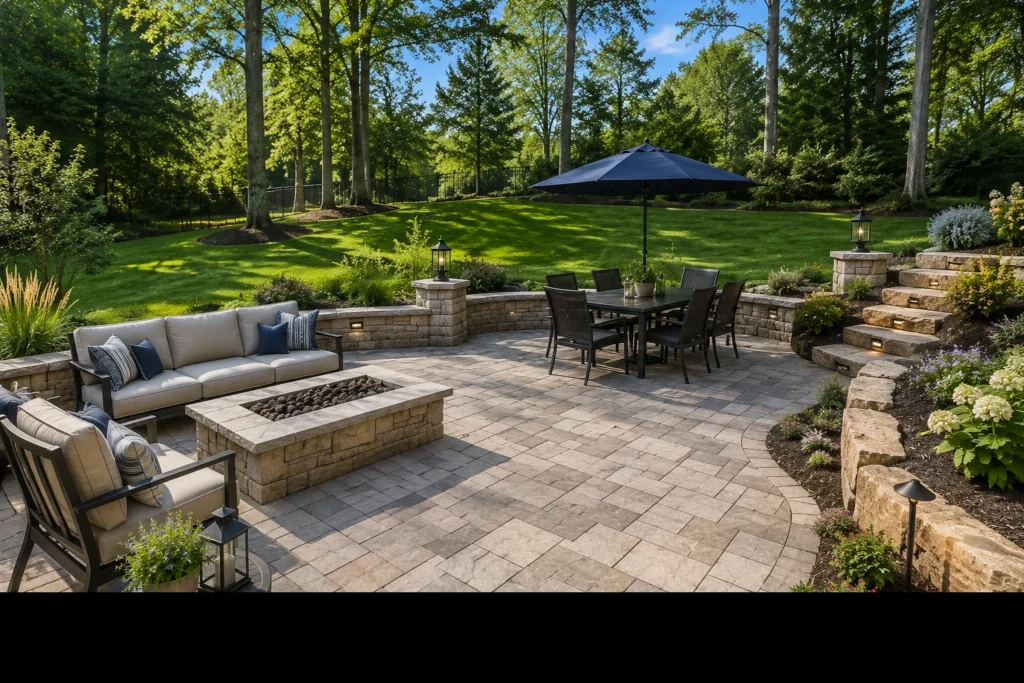
Anyone can sell you decking material. A good porch builder actually asks about your specific situation first, how much sun your yard gets, whether you’ve got kids or pets running around, how much time you actually want to spend on upkeep every year.
My neighbor’s builder never asked him any of that, honestly, just walked him through pricing tiers and let him pick based on the numbers alone. Mine asked about our lifestyle before recommending anything specific, and composite ended up making more sense once he laid out the actual maintenance timeline I’d be facing with wood.
Deck construction decisions made purely on upfront cost tend to look different five years later, once the maintenance bills and weekend sanding sessions start piling up in ways nobody accounted for initially.
Questions Worth Asking Before Choosing
Ask how much sun exposure your deck will actually get throughout the day and across seasons. Ask about your climate’s humidity and freeze-thaw cycles, since both affect wood and composite differently over time. Ask for real maintenance cost estimates over ten years, not just the initial material price sitting on the quote.
If a builder only talks upfront cost and skips the long-term picture entirely, that’s worth noticing before you commit to anything.
Conclusion
Neither material is universally better, whatever some sales pitch might claim. Wood suits people who don’t mind yearly upkeep and want lower initial cost. Composite suits people who’d rather pay more now and skip the maintenance cycle for good.
My neighbor and I both got what we actually wanted, we just wanted different things going into the same summer project.


