


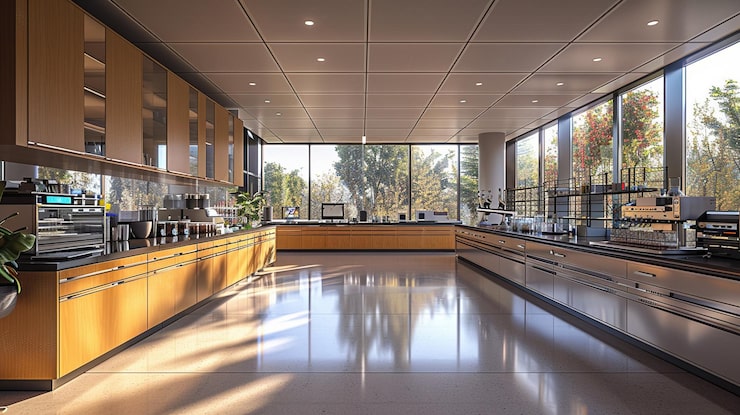
New Jersey has a thriving food service industry. From diners and restaurants to large food processing plants, facility owners face constant pressure to maintain clean, safe, and compliant environments. One of the most critical decisions you will make for your facility is choosing the right floor.
This article walks you through everything you need to know about kitchen epoxy flooring installations in New Jersey.
Why New Jersey Food Facilities Choose Epoxy
Local Expertise Makes a Difference
Not all flooring contractors understand the specific demands of a commercial kitchen. In New Jersey, experienced installers have worked with restaurants, food manufacturers, and beverage companies for decades. They understand local building codes, health department requirements, and the realities of daily kitchen operations.
Serving Facilities Across the State
Quality installers serve businesses across Northern NJ, Central NJ, and the Shore and South Jersey regions. Whether you operate in Newark, Princeton, or Cherry Hill, professional commercial kitchen epoxy flooring NJ services are within reach.
Key Features of a Professional NJ Epoxy Installation
Seamless and Non-Porous Surface
A seamless floor leaves no gaps or joints where bacteria, grease, or food particles can accumulate. This makes daily sanitation faster, more thorough, and more effective. Health inspectors consistently rate seamless floors higher than tiled alternatives.
Custom Anti-Slip Finishes
New Jersey kitchens deal with constant moisture. Spills, steam, and washdown water keep floors wet throughout service hours. Professional epoxy systems can be finished with broadcast silica or aluminum oxide aggregates that add texture and significantly improve traction.
Urethane Concrete for Extreme Conditions
For facilities that rely on hot water washdowns as part of their sanitation process, urethane concrete is the recommended option. This system offers outstanding thermal shock resistance and is ideal for areas where temperatures fluctuate dramatically throughout the day.
The Installation Process Explained
Surface Preparation Comes First
A successful epoxy installation begins with proper surface preparation. Concrete is ground or shot-blasted to create an ideal profile for adhesion. Any cracks or imperfections are repaired before the epoxy coating is applied.
Multiple Coats for Maximum Durability
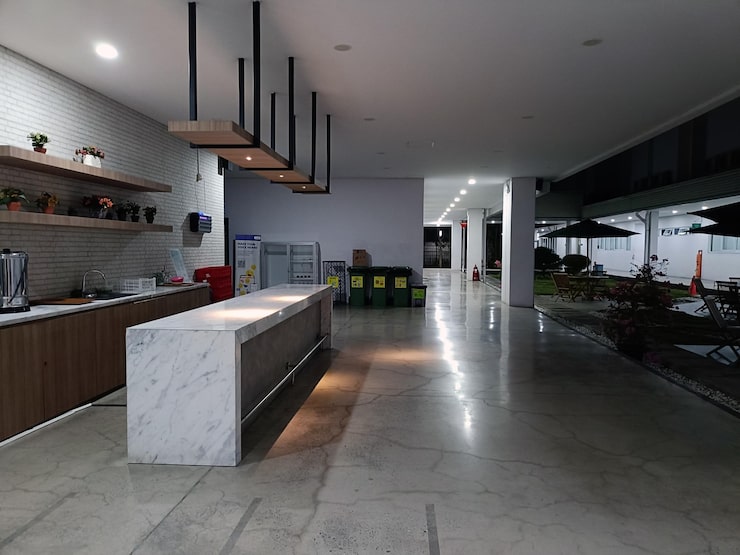
Professional installers apply primer coats, base coats, and topcoats in a carefully controlled sequence. Each layer is allowed to cure properly before the next is applied. The result is a thick, durable surface that bonds tightly to the concrete below.
Scheduling Around Your Business
Shutdowns are expensive. Reputable NJ contractors offer flexible scheduling, including overnight and weekend installations. This allows your kitchen to be back in operation with minimal impact on your revenue.
Compliance in New Jersey Food Facilities
FDA and USDA Requirements
Food facilities in New Jersey must comply with both federal and state regulations. Epoxy flooring systems are formulated to meet FDA and USDA standards, making them the go-to choice for kitchens, food prep areas, and wash-down zones.
Third-Party Audit Performance
A clean, well-maintained epoxy floor makes a strong visual impression during third-party audits. Auditors assess sanitation practices, and seamless flooring is a clear indicator that a facility takes hygiene seriously. Better audit scores can unlock relationships with larger retail buyers and distribution partners.
Conclusion
commercial kitchen epoxy flooring that works as hard as the people running them. Professional epoxy installations deliver on safety, hygiene, compliance, and longevity. Choosing an experienced NJ contractor means getting a floor built specifically for your environment, your schedule, and your business goals.


