


Salt Lake City, UT — A growing drive toward energy efficiency and indoor comfort is fueling increased interest in modern window technology, particularly solutions using low e glass and triple pane windows. Homeowners, builders, and remodelers across the region are increasingly prioritizing window upgrades that deliver measurable performance benefits, helping reduce energy costs and improve overall comfort regardless of seasonal extremes.
As residential and commercial construction adapts to stricter energy codes and sustainability goals, experts report that advanced glazing systems — especially those combining low e glass with multiple layers — are becoming standard features in high-performance buildings.
Why Low E Glass Matters in Modern Construction
Low emissivity (low e) glass is designed with a microscopically thin coating that minimizes heat transfer through windows without reducing natural light. During the summer, low e glass reflects infrared heat away from the interior, helping keep spaces cooler. In winter, it reflects interior heat back into the room, reducing the need for supplemental heating.
“The addition of low e glass is one of the most impactful upgrades a building owner can make,” explained a local window performance specialist. “It targets the primary weak point in a building envelope — the glazing — and greatly improves overall energy efficiency.”
Energy efficiency is not only about reducing utility costs; it also contributes to environmental sustainability. With higher heating and cooling demands in many parts of North America, reducing transmission losses through windows has become a priority in both new construction and renovation projects.
Triple Pane Windows: The Next Step in Insulation
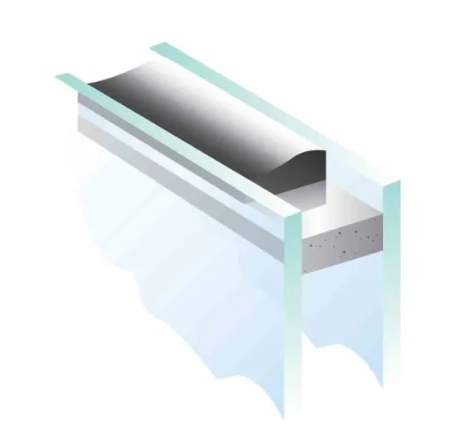
Alongside low e glass, triple pane windows are attracting attention as another way to improve building performance. Traditional double-pane windows feature two layers of glass with a single insulating gas fill. In contrast, triple pane windows have three layers of glass separated by two insulating spaces, which are often filled with inert gas such as argon or krypton.
This additional layer creates stronger thermal resistance, meaning triple pane windows are significantly better at slowing heat transfer throughout the year. For homeowners in regions with large temperature swings, this means less reliance on heating systems in winter and air conditioning in summer.
Coupled with low e glass coatings, triple pane configurations provide a synergy of performance benefits: enhanced insulation, reduced condensation, and improved sound attenuation — a bonus in urban or high-traffic areas.
Real-World Benefits and Energy Savings
Consumers and industry professionals increasingly cite measurable benefits from adopting high-performance glazing systems:
- Lower energy bills: Reducing heat transfer means less strain on HVAC systems, which translates into lower monthly energy costs.
- Greater year-round comfort: Rooms stay more consistent in temperature with fewer hot or cold spots near windows.
- Improved sound control: The additional glass layer in triple pane windows provides better acoustic insulation — beneficial for homes near streets, airports, or busy commercial zones.
- Reduced condensation: By improving thermal resistance, triple pane windows minimize surface condensation, which can otherwise lead to mold or moisture issues.
Local energy auditors have reported rising homeowner interest in performance upgrades that include both low e glass and triple pane windows, noting that buyers increasingly see window selection as investment rather than expense.
“Where energy codes and consumer expectations overlap, high-performance windows are the best answer,” said one architect involved in residential and commercial projects. “People understand that these upgrades pay dividends in energy savings and comfort.”
Industry Adoption and Market Trends
Builders and renovators are responding to demand by integrating performance glazing as standard practice in energy-efficient homes. Many new constructions now specify window packages that include both low emissivity coatings and multi-pane construction — features once seen only in premium or custom builds.
Real estate analysts also note that homes featuring upgraded windows can appeal to eco-conscious buyers and those seeking lower utility costs. While upfront investment may be higher than traditional window styles, the long-term savings and comfort benefits are increasingly recognized.
Challenges and Considerations
Despite clear benefits, some homeowners hesitate due to perceived upfront cost or confusion about options. Experts recommend buyers consult with qualified window professionals to evaluate long-term value, climate considerations, and performance goals.
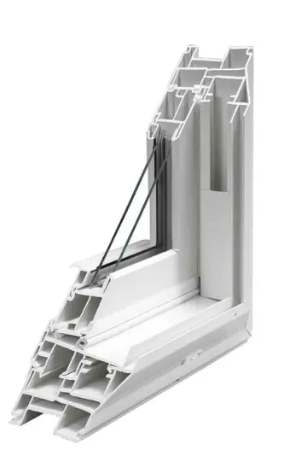
Proper installation is another critical factor. Even the best low e glass and triple pane windows can underperform if sealed incorrectly or installed without regard for the surrounding building envelope.
Industry professionals emphasize that choosing high-quality materials, skilled installers, and appropriate performance specifications are key to realizing the full potential of advanced window technologies.
Looking Ahead
With both energy codes and consumer awareness on the rise, technologies like low e glass and triple pane windows are expected to become even more mainstream. As communities focus on sustainability, resilience, and long-term cost savings, high-performance windows are likely to rank among the most impactful home upgrades.
Whether homeowners are planning a renovation or coordinating new construction, the trend toward energy-saving solutions shows no sign of slowing. Observers say that as efficiency becomes a priority at every stage of the building lifecycle, glazing technologies that once belonged in specialized markets are now becoming a performance standard across the industry.


